
Education&ScienceAPSR Joint Symposium
MTS, August, 2025
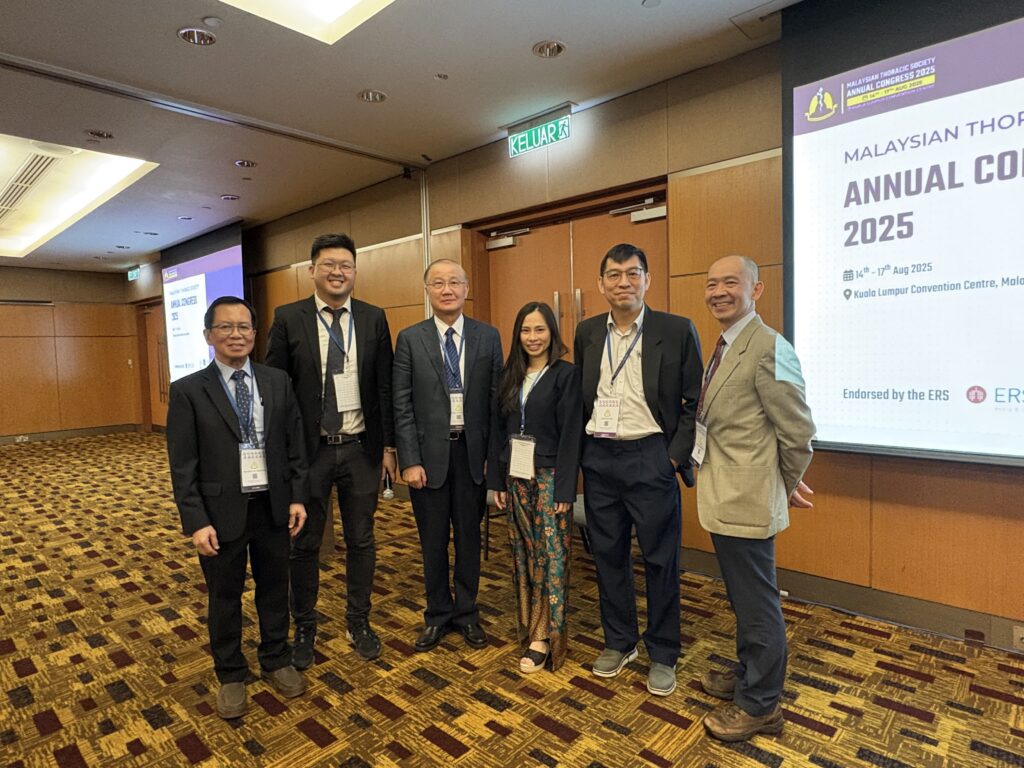
A MTS-APSR Joint Symposium at the meeting of the Malaysian Thoracic Society (MTS) Annual Congress 2025 was held on 15th and 16th August 2025.
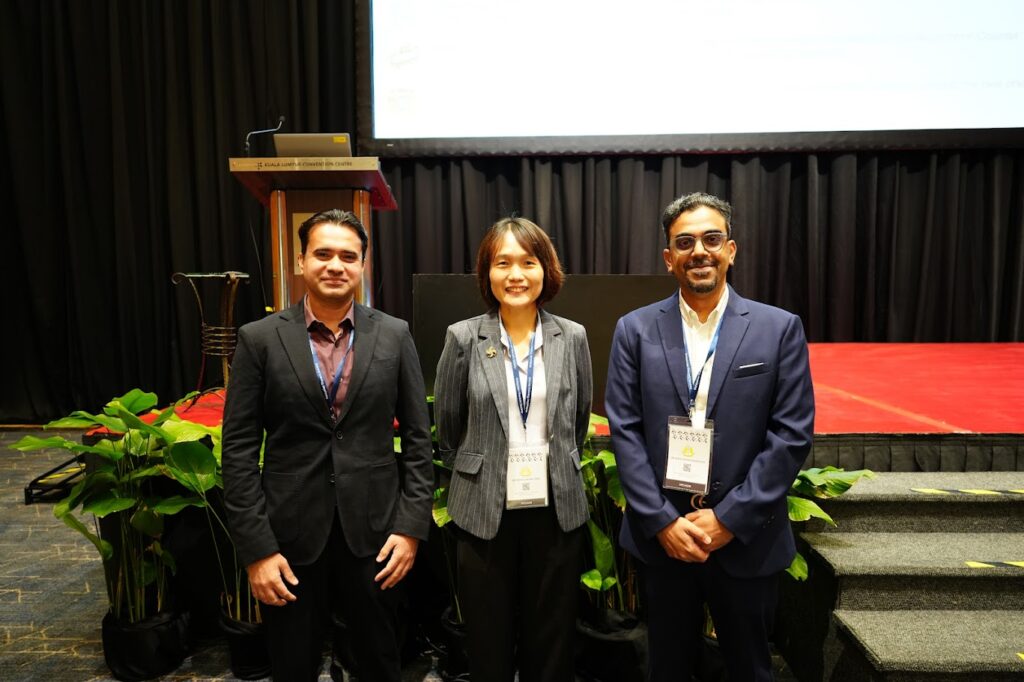
Drs Tan Geak Poh from Singapore, Pan-Chyr Yang from Taiwan and Kwun Fong from Australia joined the Joint Symposium from APSR members.
| Date | 15th and 16th August 2025 | ||
| Location | Kuala Lumpur Convention Centre | ||
| Theme | Multidisciplinary approach in lung cancer | ||
| Part 1: 15th August | |||
| Time | Title | Speaker | Learning Objective |
| 8:10-8:50am | Pulmonary function test interpretation: A clinical approach | Dr Tan Geak Poh (Singapore – APSR) |
To understand the lung physiologic in context pre-operative lung cancer treatment |
| 8:50-10:05am | Targeted Therapy in Advanced NSCLC other than EGFR/ALK | Dr Liam Chong Kin (Malaysia – MTS) |
To learn the emerging targeted treatment beyond EGFR/ALK in lung cancer through multidisciplines approach |
| Lung Cancer in Asia | Dr Pan-Chyr Yang (Taiwan – APSR) |
To understand the unique profile and treatment in Asia across various disciplines managing | |
| Advancement in early lung cancer detection | Dr Kwun Fong (Australia – APSR) |
To learn the critical role of various disciplines in early lung cancer detection | |
| Part 2: 16th August | |||
| 8:40-10:10am | Pleural Infection: Early Surgery or Medical Therapy | Prof Mohamed Faisal Abdul Hamid (Malaysia – MTS) |
To understand the effective treatment of pleural infection especially in lung cancer integrating various relevant managing disciplines |
| Pleural intervention: The how, why and when – what surgeon can offer? | Dr Diong Nguk Chai (Malaysia – MTS) |
||
| Non-malignant pleural effusion | Dr Muhamad Redzwan S Rashid Ali (Malaysia – MTS) |
To learn alternative causes of effusion in treated malignant pleural effusion which involving multidisciplines approach | |
Report from the MTS–APSR Joint Symposium
15th and 16th August, 2025 during Malaysian Thoracic Society (MTS) Annual Congress 2025
1. Speaker from APSR: DrTan Geak Poh
APSR MTS Joint Session at the Malaysian Thoracic Society Annual Congress 2025
Chairpersons: Dr Soo Chun Ian, Dr Lo Shan Min
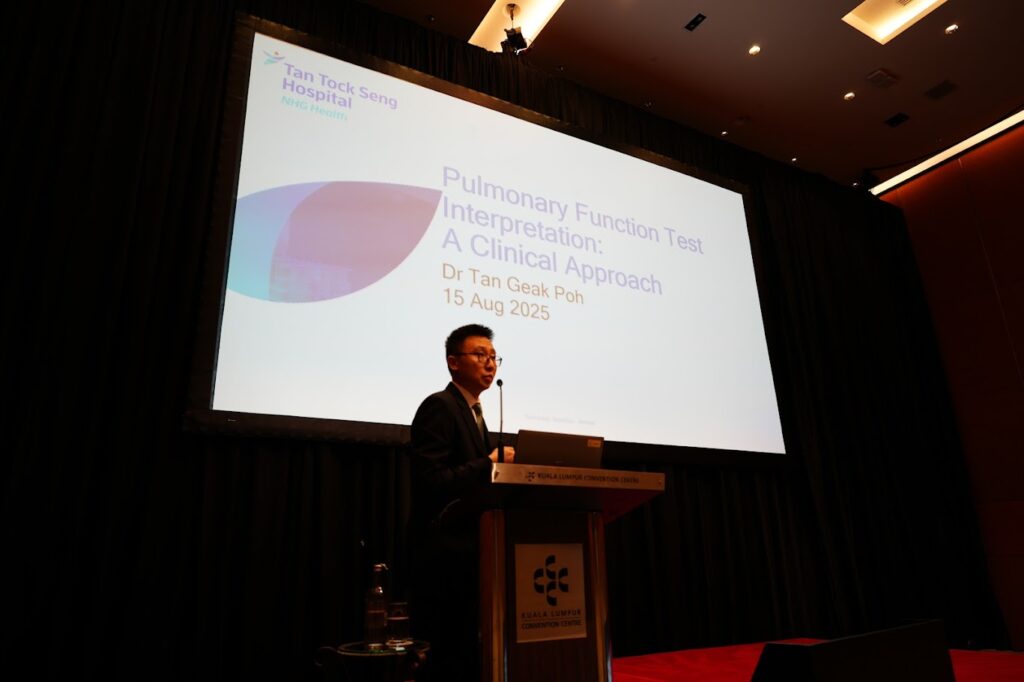
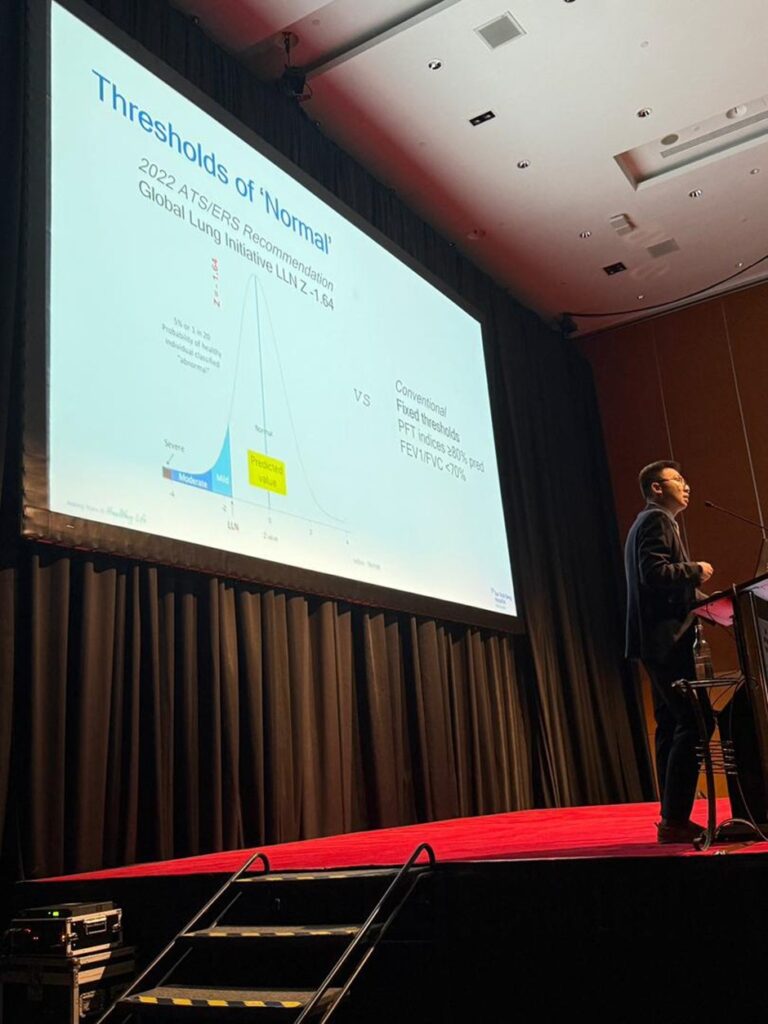
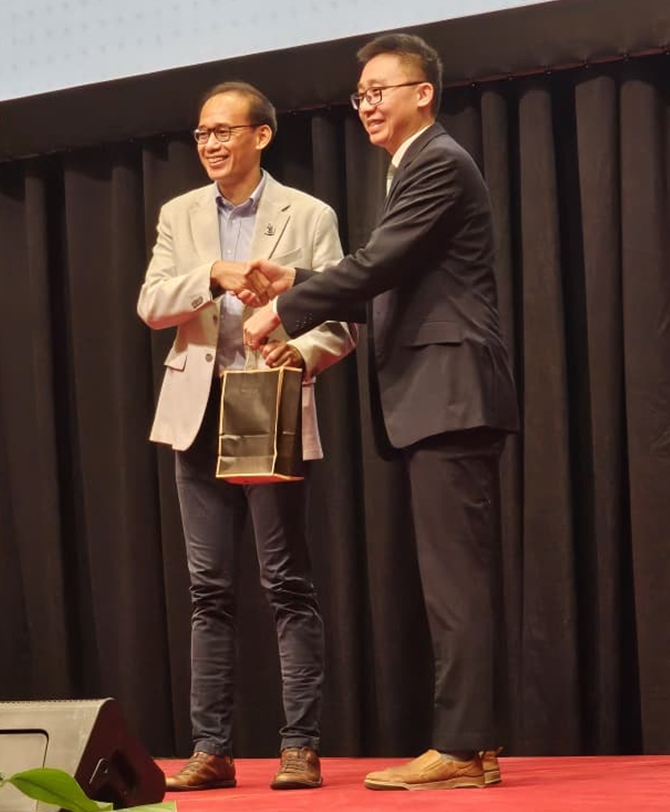
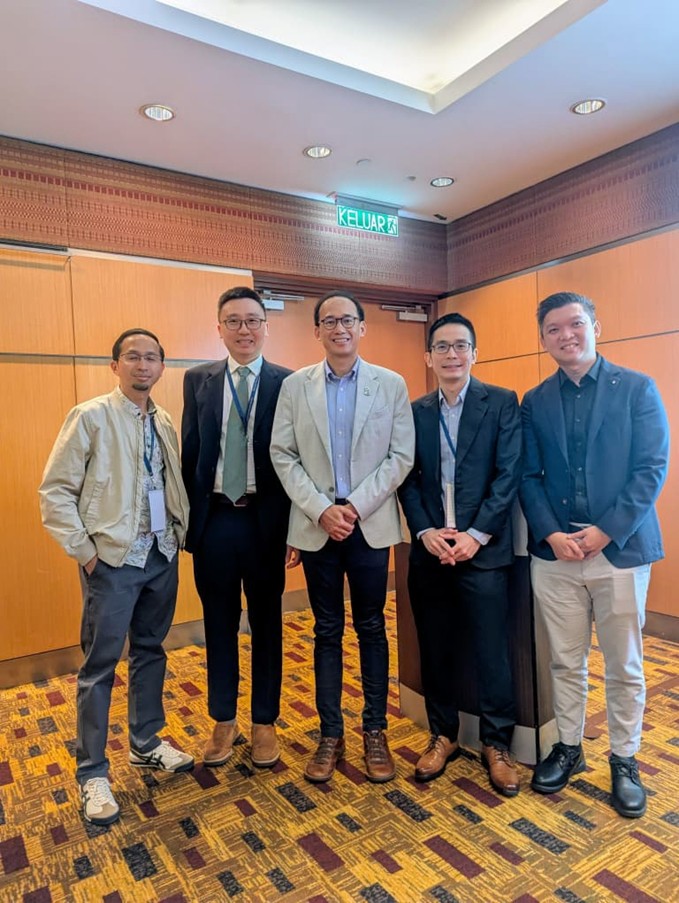
I had the wonderful opportunity to deliver the APSR-MTS Joint Session plenary lecture at the recent Malaysian Thoracic Society Annual Congress 2025. The title of my talk was “Pulmonary Function Test Interpretation: A Clinical Approach”, a topic that I am deeply passionate about and closely aligned with my subspecialty interests, as I currently lead the Respiratory Function Laboratory at Tan Tock Seng Hospital, Singapore. The event was held at the modern and well-equipped KLCC Convention Centre, which provided a fantastic venue for the congress. The session was chaired by Dr Soo Chun Ian and Dr Lo Shan Min, both good friends, making it a warm and collegial gathering.
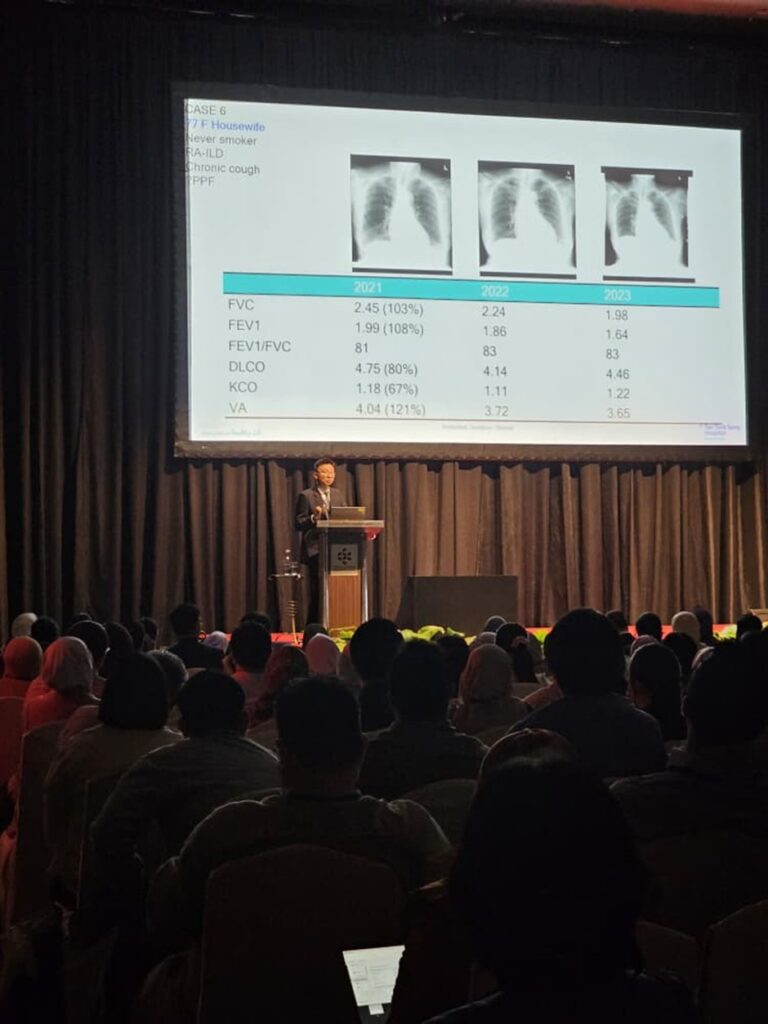
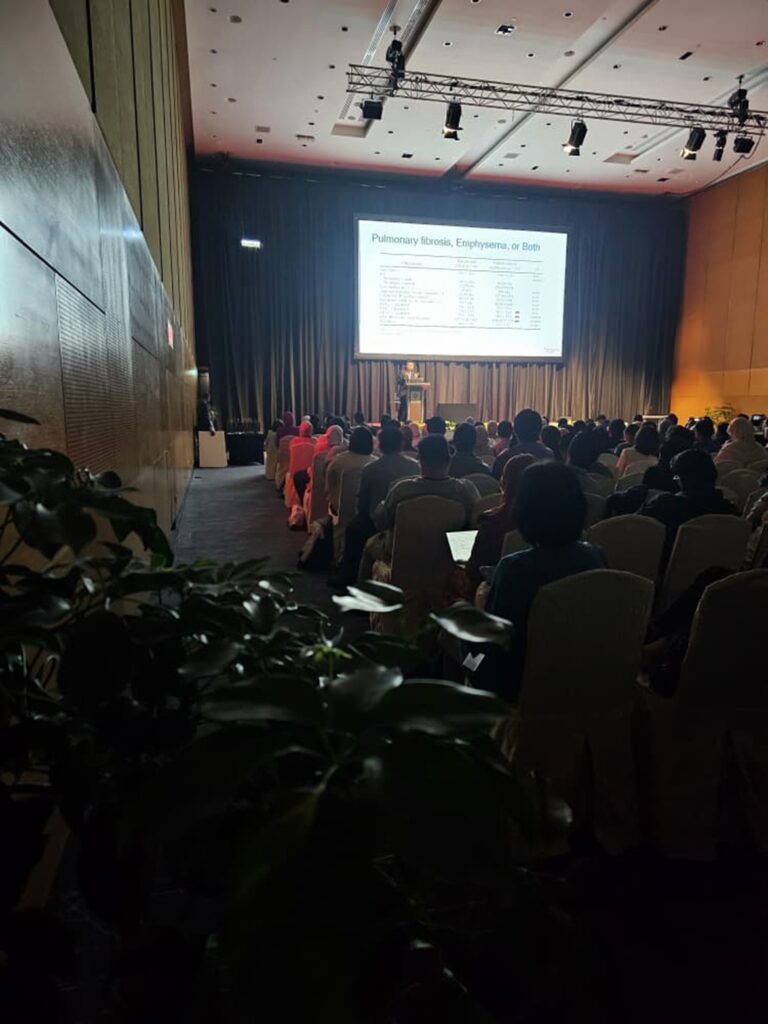
The lecture drew a large audience, reflecting strong regional interest in pulmonary physiology and pulmonary function testing. I covered the interpretation strategies of common pulmonary function tests, including spirometry, lung volume, and diffusion studies, with added emphasis on a clinically anchored approach to interpretation. Through real-word case scenarios, I highlighted common interpretative pitfalls, the importance of contextual integration with imaging and clinical presentation, and the nuances of applying guideline-based recommendation, particularly in the Southeast Asian populations. The session also explored emerging modalities such as impulse oscillometry, the impact of technical variability on diagnostic accuracy, and future directions for pulmonary function testing in the region. The packed venue and lively Q&A session underscored the relevance of this topic to both clinicians and educators. I am immensely honoured to have participated in this great conference and look forward to future engagements with colleagues across the region.
2. Speaker from APSR: Dr Pan-Chyr Yang, National Taiwan University College of Medicine, Taiwan
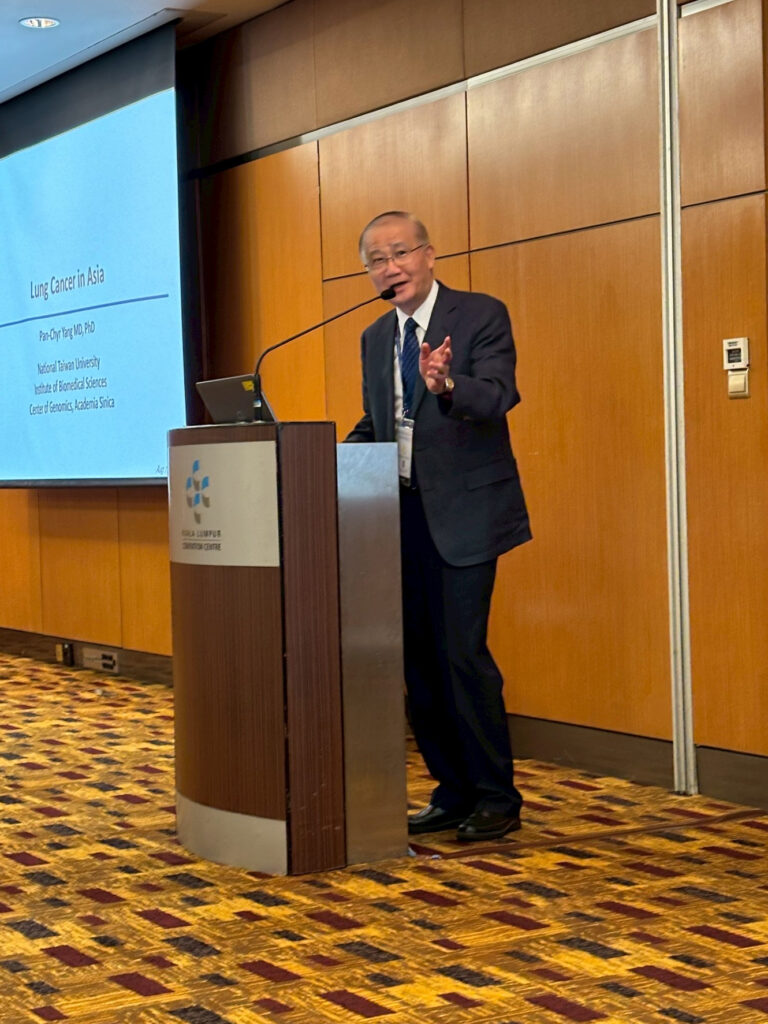
Lung Cancer in Asia
Pan-Chyr Yang MD, PhD
National Taiwan University College of Medicine
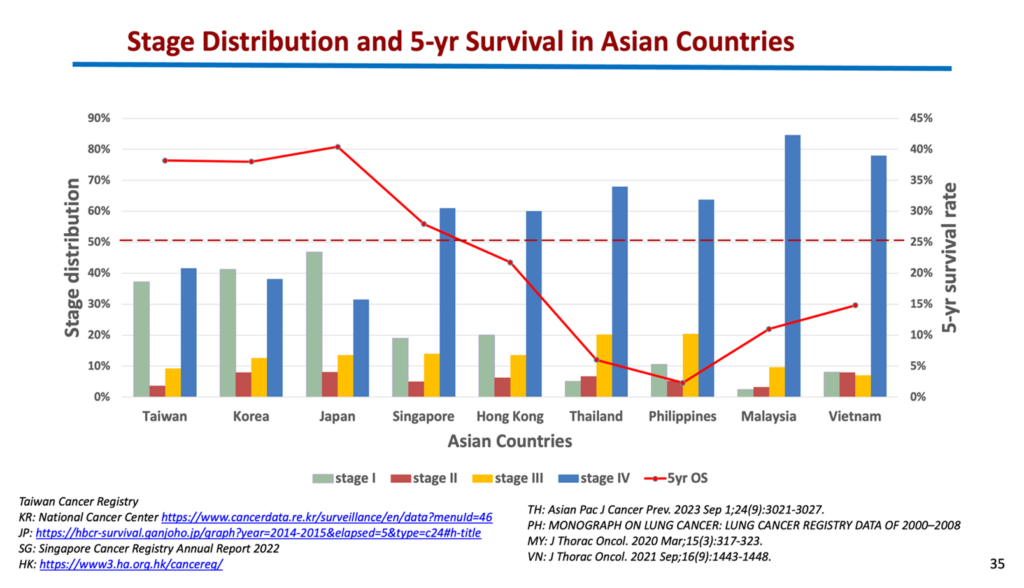
Lung cancer remains the leading cause of cancer-related death globally. Although tobacco smoking is still the primary risk factor, smoking rates have decreased significantly due to widespread cessation programs. Conversely, lung cancer among never-smokers is rising, becoming the fifth leading cause of cancer mortality, especially among Asian women. Asia bears the largest lung cancer burden worldwide, accounting for more than 60% of new cases and deaths in 2022. Notably, Eastern Asia has the highest age-standardized incidence rate globally. Asian lung cancer demonstrates a distinct epidemiological and mutational profile, characterized by a notably high prevalence of EGFR mutations, particularly among non-smokers. This suggests critical roles for genetic susceptibility and environmental factors.
Recognizing these regional disparities is essential for effective lung cancer management. Standard guidelines developed from Western populations, such as LDCT screening focusing exclusively on heavy smokers, may miss many cases in Asia, especially among female non-smokers. Addressing this issue, Taiwan followed a pivotal TALENT studies expanded its national LDCT screening eligibility in 2022 to include individuals with a family history of lung cancer alongside heavy smokers.
Similarly, while NCCN guidelines suggest comprehensive upfront molecular profiling for advanced non-small-cell lung cancer patients, an alternative sequential strategy—beginning with EGFR mutation testing followed by broader next-generation sequencing—is proposed for Eastern Asia. This approach is more cost-effective due to the region’s high EGFR mutation prevalence. Tailored preventive, screening, and treatment strategies are therefore crucial for reducing the lung cancer burden in Asia.
3. Speaker from APSR: Dr Kwun Fong, The Prince Charles Hospital and Faculty of Medicine, The University of Queensland, Australia
Congratulations to the MTS for holding their very successful MTS Congress 2025, at the Kuala Lumpur Convention Centre from 14th to 17th August 2025. There were more than 700 delegates from many countries who contributed to am excellent scientific meeting filled with wonderful educational sessions, original scientific and clinical research presentations, as well as symposia and social networking opportunities. The strong spirit of collegiality and cooperation was exemplified by the last session which was an enjoyable debate which highlighted the balance of science and the challenges of the local environment and implementation constraints. The Congress clearly demonstrated that MTS and its members are cognizant of such complex medical issues which need to be overcome to achieve lung health for everyone in their communities in accordance with resources and health policy, so that everyone can benefit from high quality universal health care. Congrats and thanks MTS!!